Skip to content

PUR foam insulation: roof, walls, floor and foundation
PUR foam insulation is suitable for both new builds and buildings being renovated. The sprayable foam expands during application, fills cracks, joints and voids, and forms an even, airtight layer without any joints. Therefore, PUR insulation works particularly well in places where boards or mineral wool leave many connections: complex roof joints, areas around pipes and cables, and uneven surfaces.
We are an official licensed Huntsman installer in Estonia and a 25-year Huntsman warranty applies to the material and installation.
Below, we outline how we use PUR foam in different parts of the building and which foam we choose for each application. → View completed projects
Insulating the roof and attic with PUR foam
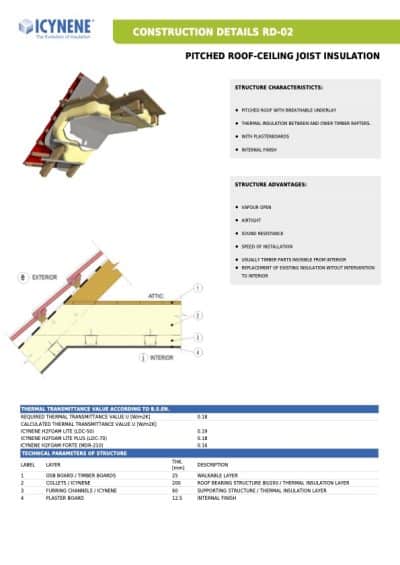
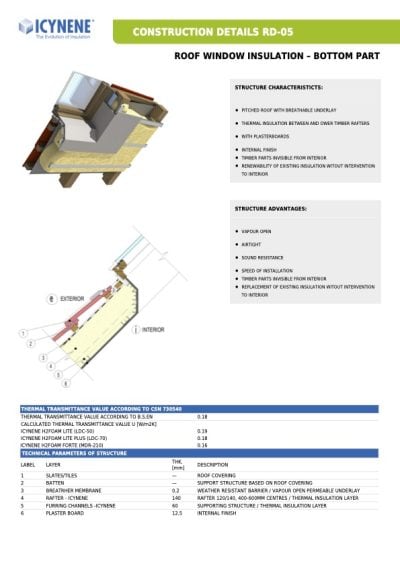
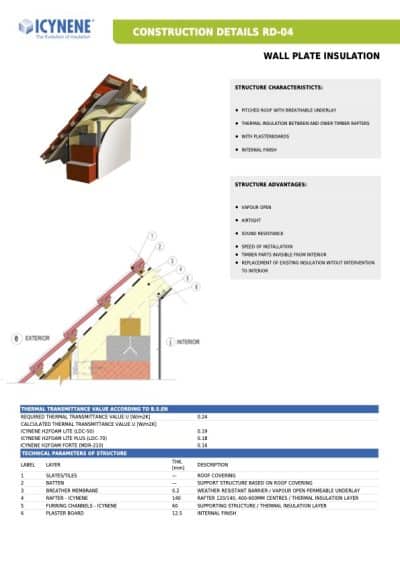
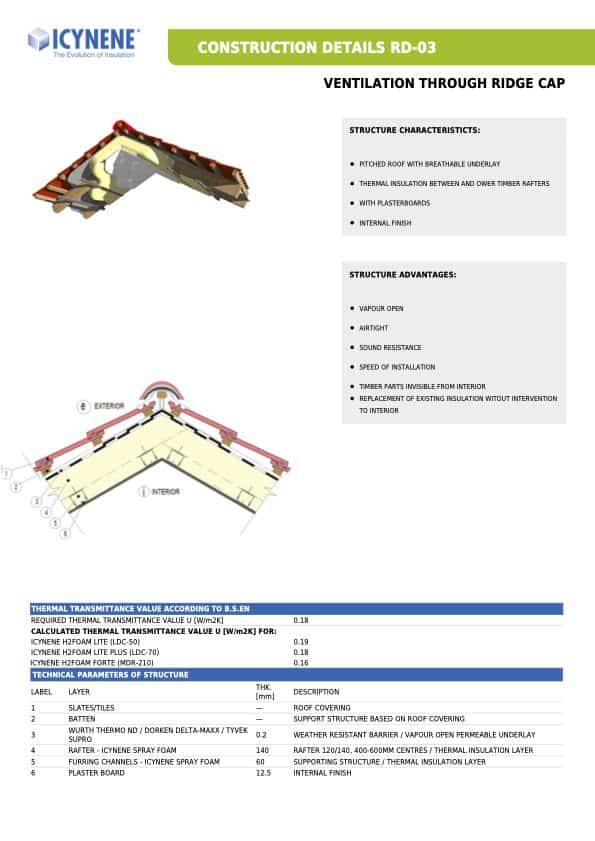
Roofs and lofts are the most common application for PUR foam. Open-cell H2Foam Lite+ or H2Foam Lite V24 is sprayed between rafters or into sloped ceilings, filling the space evenly even in complex areas such as valleys, roof windows and rafter-to-wall joints. On roofs and ceilings, the insulation layer is typically 200 mm or more.
A well-insulated roof doesn't just keep the warmth in during winter. It also helps against summer heat, as it's precisely through the roof that heat enters the house the fastest. Roof ventilation depends on the existing roof structure. Based on that, we recommend which layers should be applied after installing PUR foam.
Insulation of walls and timber frame
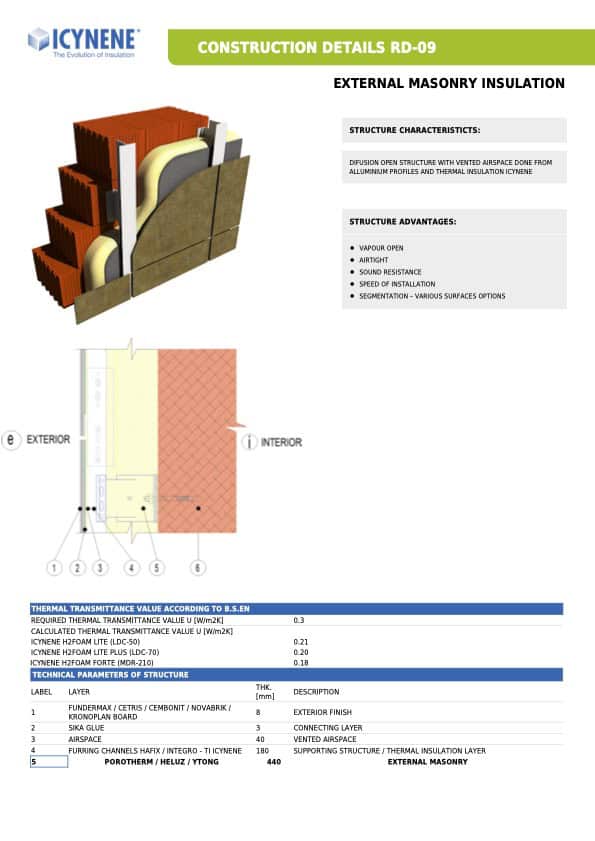
In timber-framed houses, PUR foam completely fills the frame cavities, including around wiring, pipes and frame corners where mineral wool usually does not reach properly. The foam adheres to practically all building materials (wood, OSB, concrete, brick, metal, plaster, wind barrier boards and roofing membranes) and does not sag over time.
If there is a closed cavity in the wall and you do not want to take the wall apart, foam can be injected through drilled holes: Injecting PUR foam into cavities.
Insulating the floor and basement ceiling
Insulating the floor with PUR spray foam is particularly suitable for new builds constructed on piles or posts where there is a free space under the floor, as well as for renovating an old house:
- timber floor: the foam is sprayed between the joists from underneath or before the floorboards are installed;
- cellar ceiling: insulating from below makes the ground-floor floor less cold;
- concrete floor: closed-cell floor foam before the levelling screed.
Foundation and plinth insulation
For foundations and plinths, the moisture load is higher. There we use closed-cell Heatlok Shield foam: it has very low water absorption and greater compressive strength, and achieves the same thermal insulation with a thinner layer than open-cell foam.
Insulating a log house and an old house
When insulating log and old houses, we base our approach on the building's structure. We inspect the site and offer a solution that is tailored specifically to that house. Before the PUR foam is applied, the old insulation must be removed. Read more about log houses in the article insulating a log house with PUR foam.
PUR foam as acoustic and noise insulation
Open-cell PUR foam is flexible and absorbs airborne sound. Therefore, it is also suitable for partition walls and intermediate floors where, alongside insulation, a quieter indoor climate and less outside noise are important.
Industrial buildings, hangars, warehouses and containers
We also install PUR foam in warehouses, production buildings, workshops, hangars, garages and shipping containers. Large areas benefit from speed: up to 500 m² per day. Insulation and airtightness are completed in a single operation.
→ Insulation of industrial buildings and hangars with PUR foam
Open-cell or closed-cell PUR foam: what goes where?
| Application area | Recommended foam |
|---|---|
| Roof, loft, sloped ceiling | Open cell: H2Foam Lite+ / Lite V24 |
| Timber frame walls | Open cell: H2Foam Lite+ / Lite V24 |
| Partitions and intermediate floors (sound) | Open cell: H2Foam Lite+ / Lite V24 |
| Foundations, plinth | Closed cell: Heatlok Shield |
| Wet rooms, surfaces in contact with the ground | Closed cell: Heatlok Shield |
| Concrete floor under the levelling screed | Closed-cell floor foam |
| Metal structures, containers | Closed cell: Heatlok Shield, in some cases open cell |
→ Open-cell or closed-cell PUR foam: which one to choose? · Products
Moisture and ventilation
A PUR foam insulated house is airtight: there are no longer any leaks through which heat and moisture used to escape. Therefore, the building must have a functioning ventilation system that removes moisture from the rooms.
How installation works
- Inspection and quote: dimensions, construction, foam type and layer thickness.
- Preparation: windows, floors and surfaces not to be insulated are covered with film if necessary.
- Installation: the foam is sprayed to the desired thickness.
- Finishing: Excess foam is cut flush and the residue is cleaned up.
Winter installation
External work with open-cell H2Foam can be carried out down to −15 °C. Closed-cell Heatlok Shield foam (foundations, plinths) is applied in positive temperatures, or in extreme cases down to −5 °C. For interior work with Huntsman foams, there are practically no temperature restrictions.
It is important that the substrate is dry and ice-free. If uninsulated rooms are heated in winter, heavy condensation forms on the surfaces, which freezes as the temperature drops. PUR foam cannot be applied to such a surface.
→ PUR foam installation in winter: Huntsman foams down to −15 °C
After installation
After spraying, the rooms must be ventilated for 12 hours.
Mostly PUR foam is covered with a finishing layer, such as plasterboard, OSB, timber cladding or other material.
Price
The price depends on the type of foam, layer thickness and the size of the project. We will draw up a personal quote for you. We bill according to the actual volume used. This differs from the quote by up to 10%, on average about 5%.
→ The price of PUR foam insulation
Request a quote: send us the site dimensions, photos or a short description and we will prepare a solution with a price. → Request a personal quote
Technical drawings